
Aug
Cannabis
Legalized Cannabis in Canada: Everything You Need to Know
Canada made history in 2018 by becoming the second country in the world to legalize recreational cannabis nationwide. Since then, the industry has grown rapidly, with cannabis becoming a mainstream part of Canadian society. But legalization didn’t happen overnight, there’s a long history behind it, as well as strict regulations that shape how Canadians can grow, buy, and use cannabis today.
This guide breaks down the journey to legalization, the rules you need to know, and how Canadians can enjoy cannabis safely and legally.
What Are Cannabis Plants?
Cannabis is a complex plant containing more than 100 compounds called cannabinoids. The most well-known are:
- THC (tetrahydrocannabinol): The psychoactive compound responsible for the “high.”
- CBD (cannabidiol): Non-intoxicating and often used for wellness, pain relief, and relaxation.
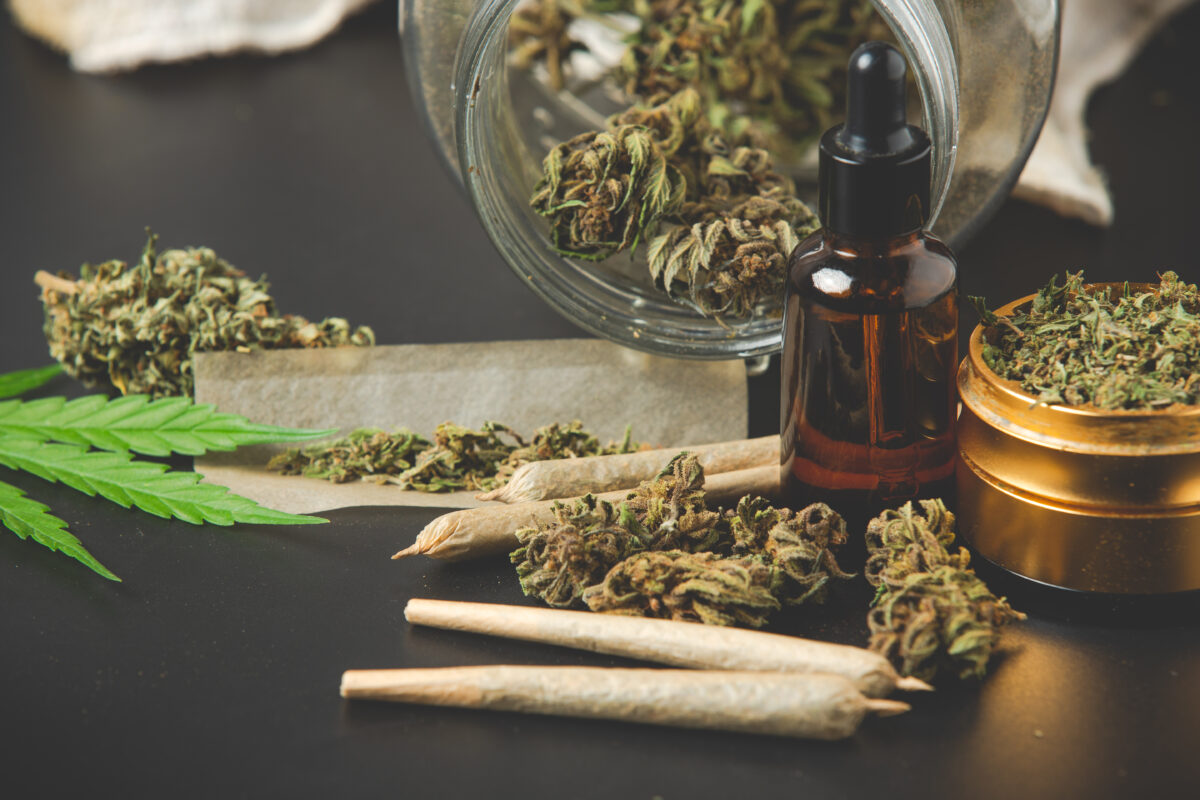
Cannabis comes in many forms, including dried flower, oils, edibles, hash, concentrates, and topicals, each with unique effects and uses.
The Health Potential of Cannabis
Long before recreational legalization, cannabis was available in Canada for medical purposes. Research and patient experiences suggest cannabis may help with:
- Lowering blood pressure
- Reducing inflammation and chronic pain
- Managing anxiety and certain mental health conditions
- Supporting recovery from addiction
- Easing digestive issues
- Preventing seizures
- Offering therapeutic support for cancer patients
While cannabis isn’t a cure-all, many Canadians rely on it daily for improved wellness and quality of life.
A Brief History of Cannabis Legalization in Canada
Cannabis has had a long and complicated journey in Canada:
- 1897: The Nova Scotia Medical Association encouraged cannabis use for therapeutic purposes.
- 1923: Cannabis was banned under the Opium and Narcotic Drug Act, despite minimal use at the time.
- 1937: The first Canadian cannabis possession arrest took place.
- 1972: The Le Dain Commission was created to study cannabis use and its social impacts.
- 2000: A landmark Ontario Court of Appeal ruling recognized the right to medical cannabis use, striking down a full prohibition.
- 2018: The Cannabis Act officially legalized recreational cannabis nationwide.
- 2019: Canadians with minor cannabis possession charges became eligible for pardons.
This shift reflects how public attitudes toward cannabis have evolved, from stigma to acceptance and regulation.
The Cannabis Act: What Canadians Should Know
The Cannabis Act is the federal law that regulates cannabis production, sale, and possession in Canada. Its three key goals are:
- Keeping cannabis out of the hands of youth
- Preventing profits from fueling organized crime
- Protecting public health while allowing adults legal access
Possession Limits
Adults in Canada can legally possess up to 30 grams of dried cannabis (or equivalent) in public. The Act also defines limits for other forms:
- 5 grams of fresh cannabis
- 15 grams of edibles
- 70 grams of liquid product
- 0.25 grams of concentrates
- 1 cannabis seed
Driving and Cannabis
Driving while impaired by cannabis is illegal. THC limits in blood determine penalties:
- 2 to 5 ng/ml: A minor criminal offense
- 5 ng/ml or more: A more serious offense with heavier penalties
Cannabis in the Workplace
Employers must maintain safe work environments but also accommodate medical cannabis users where possible. Employees using cannabis for health reasons should follow workplace policies while staying informed about the risks of impairment.
Home Cultivation
Canadians can legally grow up to four cannabis plants per household for personal use. Plants must be purchased legally from licensed retailers, and selling homegrown cannabis without authorization remains illegal.
Cannabis and International Travel
Crossing borders with cannabis remains strictly prohibited, even if you’re traveling to or from another legal jurisdiction. Attempting to bring cannabis into another country can lead to criminal charges or travel bans.
Protecting Youth and Public Health
The Cannabis Act includes strict rules to prevent underage access. This includes bans on:
- Packaging or branding that appeals to youth
- Vending machines or self-service sales
- Misleading advertising or promotion
Violations can result in heavy fines or prison sentences. The federal government has also invested millions into public education campaigns to promote safe and responsible cannabis use.
Legal Cannabis in Canada Today
It has been several years since legalization, and cannabis has become part of everyday Canadian culture. While regulations are strict, legalization has allowed adults to safely access cannabis while reducing black-market risks.
At Black Sheep Delivery, we’re proud to be part of this new era of legal cannabis in Canada. We provide safe, discreet, and reliable access to top-quality cannabis products, from flower and concentrates to edibles and CBD. Our mission is to give Canadians a trusted way to enjoy cannabis while staying informed and compliant with the law.
Final Thoughts
Cannabis legalization in Canada was a historic step that continues to shape society, health, and culture. The Cannabis Act ensures cannabis is regulated responsibly while protecting youth and public safety.
For Canadians who want to experience cannabis legally, the best option is shopping through a trusted online dispensary canada like Black Sheep Delivery. With lab-tested products, competitive prices, and discreet nationwide delivery, we make legal cannabis access simple and secure.
